Pencil Shading Techniques Every Beginner Artist Should Learn
17 Mar 2026
Pencil shading is one of the most important skills every artist must learn. It transforms simple sketches into realistic drawings by adding depth, dimension, and texture. Many beginners focus only on outlines, but professional artists know that shading is what brings drawings to life.
At Ankona School of Art, students learn step-by-step shading techniques that help them create realistic drawings and improve their observation skills. If you are searching for the best online class for learning drawing and shading, mastering these fundamental techniques is the perfect place to start.
Why Pencil Shading Is Important for Beginners
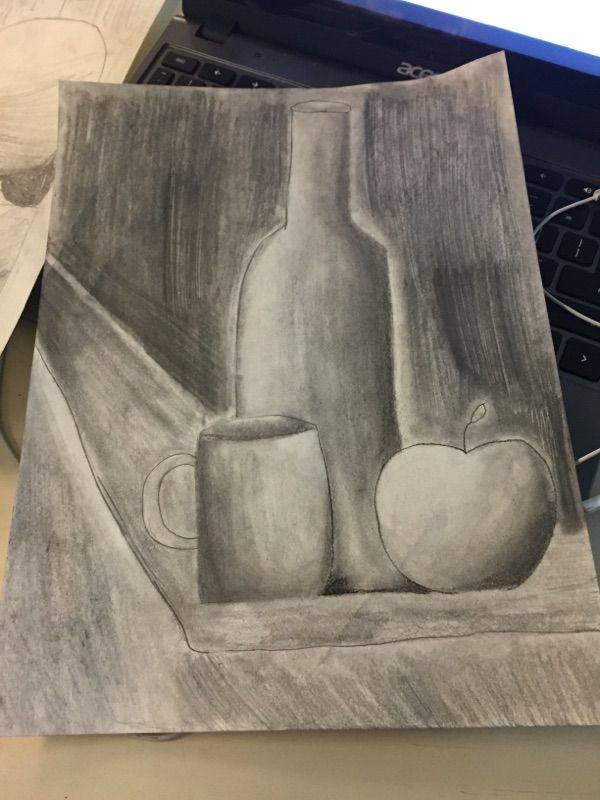
Shading helps artists show how light interacts with objects. Without shading, drawings look flat and unrealistic. Proper shading allows artists to create:
-depth and dimension
-realistic textures
-smooth transitions between light and shadow
-stronger visual impact
-Students who practice shading regularly develop stronger drawing skills and better artistic control.
1. Hatching Technique
Hatching is one of the simplest shading techniques. It involves drawing parallel lines close together to create darker areas.
-The closer the lines are, the darker the shading becomes. This technique is commonly used in sketching, illustration, and architectural drawings.
Practicing hatching helps beginners improve line control and shading consistency.
2. Cross-Hatching Technique
Cross-hatching builds on the hatching method by adding another layer of lines in a different direction.
This technique creates deeper shadows and stronger contrast. Artists use cross-hatching to add dramatic shading and emphasize darker areas in a drawing.
It is a very useful technique for portrait sketches and detailed artwork.
3. Blending Technique
Blending creates smooth transitions between light and dark tones.
Artists use tools such as:
-tissue paper
-blending stumps
-cotton swabs
-soft brushes
Blending is commonly used for realistic portrait drawing, where smooth skin textures are important.
At Ankona School of Art, students practice blending techniques to develop soft and natural shading effects.
4. Stippling Technique
Stippling uses small dots to build shading gradually. The closer the dots are, the darker the shading appears.
Although this technique requires patience, it produces unique textures and artistic effects.
Many professional illustrators use stippling in detailed drawings and creative artwork.
5. Gradient Shading Practice
Gradient shading helps artists understand light and tone. Beginners can practice by shading from light to dark gradually using a pencil.
This exercise improves pressure control and teaches students how to create smooth tonal transitions.
Learn Pencil Shading with Ankona School of Art
At Ankona School of Art, students receive structured guidance that helps them master drawing fundamentals, including shading, proportions, and observation skills.
Our programs include:
-step-by-step drawing lessons
-beginner to advanced art training
-personalized guidance from experienced teachers
the best online class for learning drawing and shading techniques
Students gain the confidence to create realistic sketches and develop their own artistic style.
Final Thoughts
pencil shading is a powerful technique that can transform simple drawings into impressive artwork. By practicing these shading methods regularly, beginners can quickly improve their drawing skills and artistic confidence.
If you want to learn drawing from experienced mentors, Ankona School of Art offers one of the best online classes for beginners who want to master sketching and shading techniques.
Start practicing today and unlock your creative potential.
Start Learning with Ankona School of Art Today
At Ankona School of Art, we provide: Live Online Art Classes Step-by-Step Drawing Training Digital Art & Animation Learning Personalized Mentorship for Students
Join one of the best online art classes in India and start your creative journey today.
Enroll now or book a demo class with Ankona School of Art.