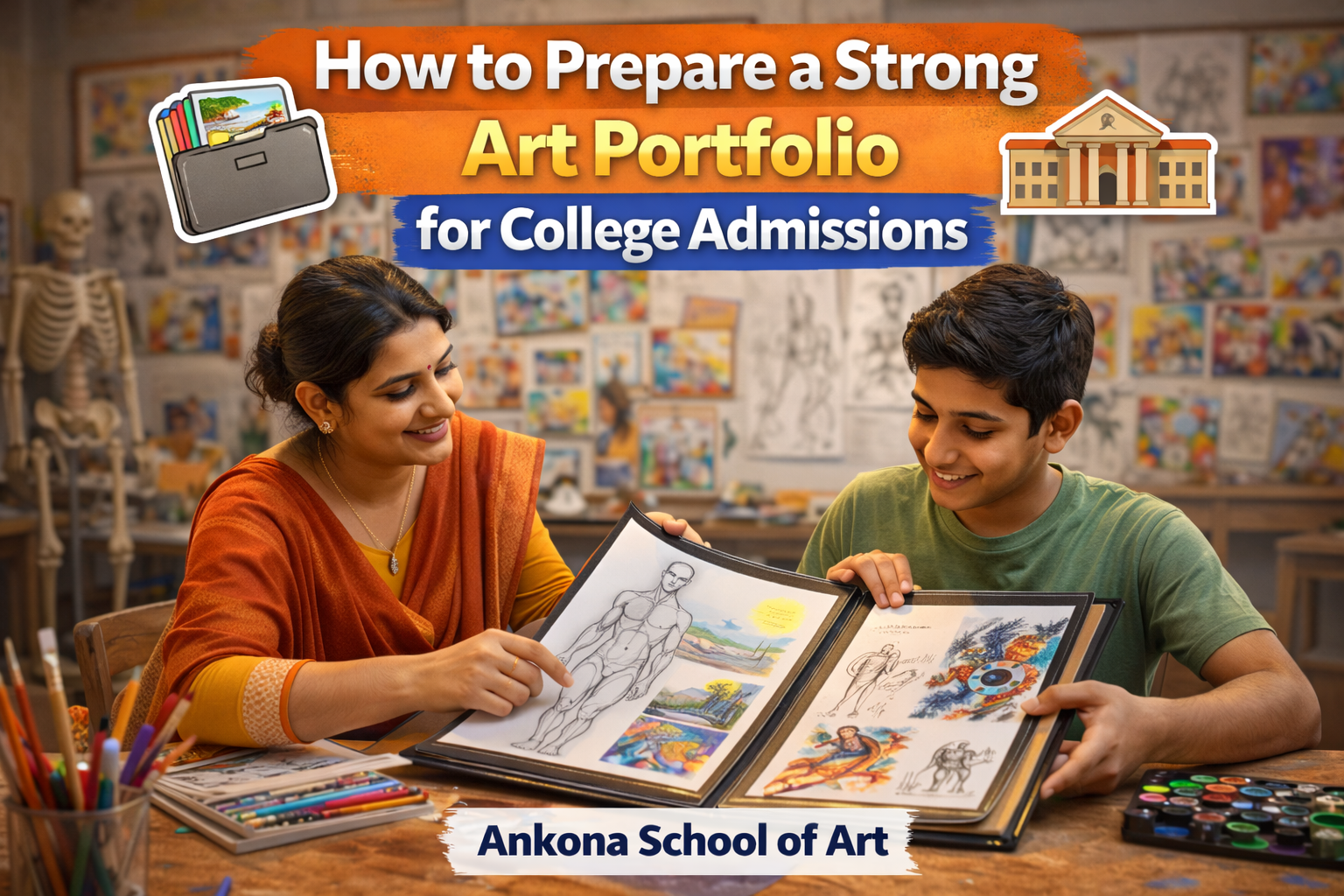
Preparing an art portfolio for college admission is one of the most important steps for students who want to pursue careers in fine arts, design, animation, architecture, or visual communication. A strong portfolio showcases your creativity, skills, and artistic potential.
Many students feel confused about what to include and how to present their work. This guide will help you understand how to prepare a strong art portfolio for college admissions step by step.
What Is an Art Portfolio?
An art portfolio is a collection of your best artwork that shows your:
- Drawing skills
- Creativity and imagination
- Understanding of fundamentals
- Artistic growth and potential
Colleges review portfolios to understand your thinking process and artistic ability, not just finished artworks.
Why a Strong Portfolio Is Important
A well-prepared portfolio can:
- Increase admission chances
- Show your dedication to art
- Highlight your creative thinking
- Demonstrate your technical skills
- Impress college interview panels
Your portfolio represents you as an artist, so it must be carefully planned.
Step 1: Include Strong Fundamentals
Colleges always look for strong basic skills.
Include:
- Pencil sketching
- Still-life drawing
- Human figure drawing
- Perspective drawings
- Shading and light studies
Strong fundamentals show that you understand the basics of art.
Step 2: Show Variety in Your Artwork
Avoid including only one type of artwork. A good portfolio should show diversity.
Add:
- Pencil sketches
- Color paintings
- Creative compositions
- Imagination drawings
- Digital art (if applicable)
- Variety shows your flexibility and creative thinking.
Step 3: Include Creative and Original Work
- Colleges prefer original ideas rather than copied images. Include:
- Imagination-based drawings
- Concept art
- Story illustrations
- Theme-based compositions
- Your creativity matters more than perfection.
Step 4: Display Your Process Work
Many colleges want to see how you think and develop ideas.
Include:
- Rough sketches
- Step-by-step progress
- Concept development pages
- Experimentation work
- Process work shows your artistic journey and dedication.
Step 5: Organize Your Portfolio Properly
Presentation is very important.
Tips:
- Arrange work from basic to advanced
- Use clean, neat sheets
- Avoid damaged or folded papers
- Use a proper portfolio folder
- Label artworks if required
- A neat presentation creates a strong impression.
Step 6: Practice Regularly Before Submission]
Portfolio preparation should start early. Regular practice helps improve quality and confidence.
Daily practice ideas:
Sketch everyday objects
Practice figure drawing
Experiment with colors
Try creative compositions
Consistency improves portfolio quality.
Common Mistakes to Avoid
Including copied images only
Adding too many artworks
Poor presentation
Ignoring fundamentals
Last-minute preparation
Quality matters more than quantity.
How Art Classes Help in Portfolio Preparation
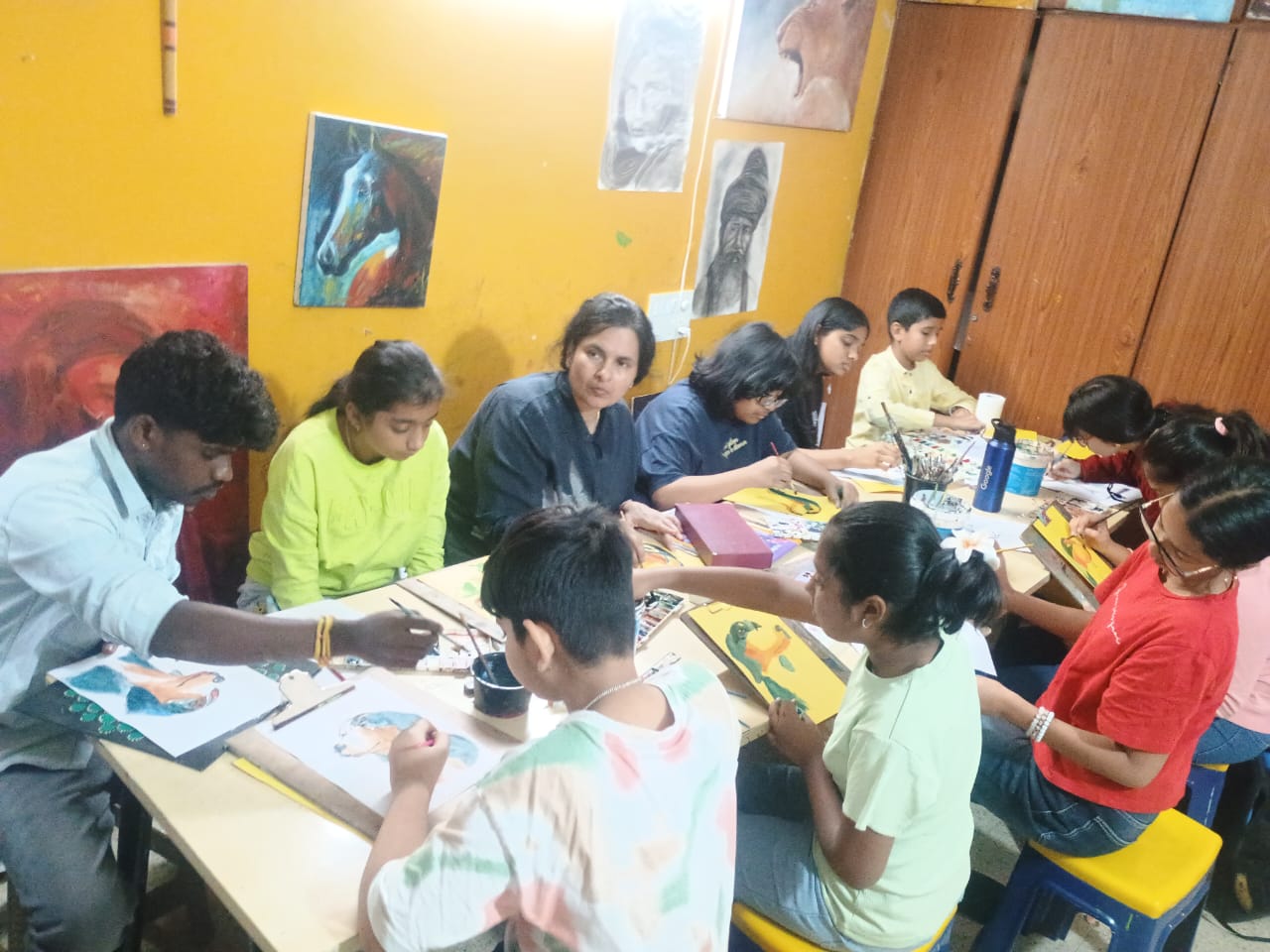
A structured art class provides:
Professional guidance
Portfolio planning
Skill improvement
Personal feedback
Interview preparation
With expert mentorship, students can build a strong and impressive portfolio.
Final Thoughts
Preparing a strong art portfolio for college admissions requires planning, practice, and creativity. Focus on fundamentals, originality, and proper presentation. Start early, practice consistently, and include your best work.
A well-prepared portfolio not only increases admission chances but also builds confidence in your artistic journey.