How to Practice Drawing Daily: Simple Habits That Help Beginners Improve Faster
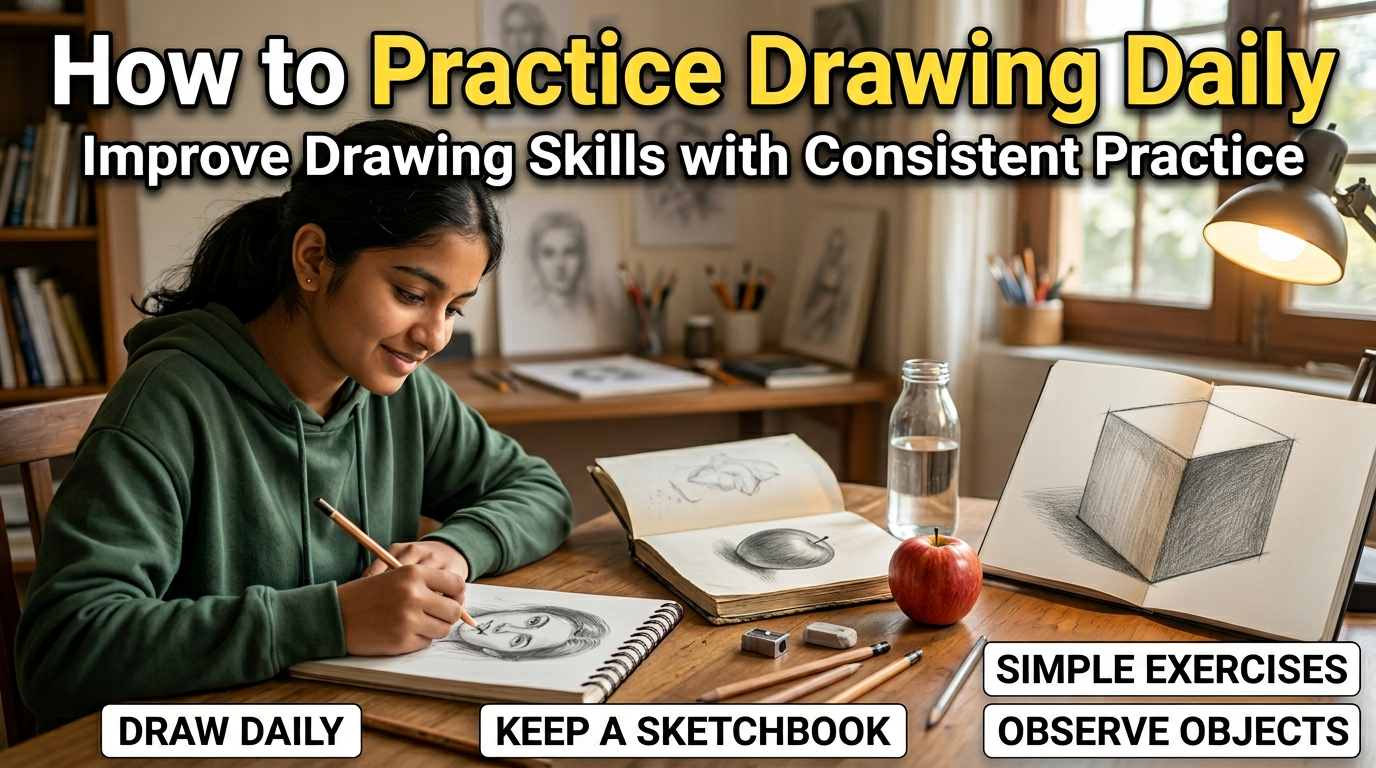
Learning how to draw well doesn’t require expensive tools or talent—it requires consistent daily practice. Many professional artists developed their skills simply by building small daily drawing habits.
If you are a beginner wondering how to practice drawing every day and improve faster, this guide will show simple methods that can dramatically improve your skills.
Whether your goal is **portrait drawing, digital art, animation, or concept art**, these habits will help you become more confident with your sketches.
Why Daily Drawing Practice Is Important
Drawing is similar to learning a musical instrument. The more you practice, the better your hand coordination, observation skills, and artistic confidence become.
Benefits of daily drawing practice:
* Improves observation skills
* Strengthens hand-eye coordination
* Builds muscle memory for sketching
* Helps you develop your own artistic style
Even 20–30 minutes of daily drawing practice** can create noticeable improvement within a few months.
---
Habit 1: Start with Simple Shapes
Every complex drawing begins with simple shapes.
Before drawing a portrait, character, or object, practice drawing:
* circles
* cubes
* cylinders
* spheres
These shapes help you understand **form and structure**, which are essential for realistic drawing.
Many beginners skip this step, but professionals rely on it every day.
---
Habit 2: Practice Gesture Sketching
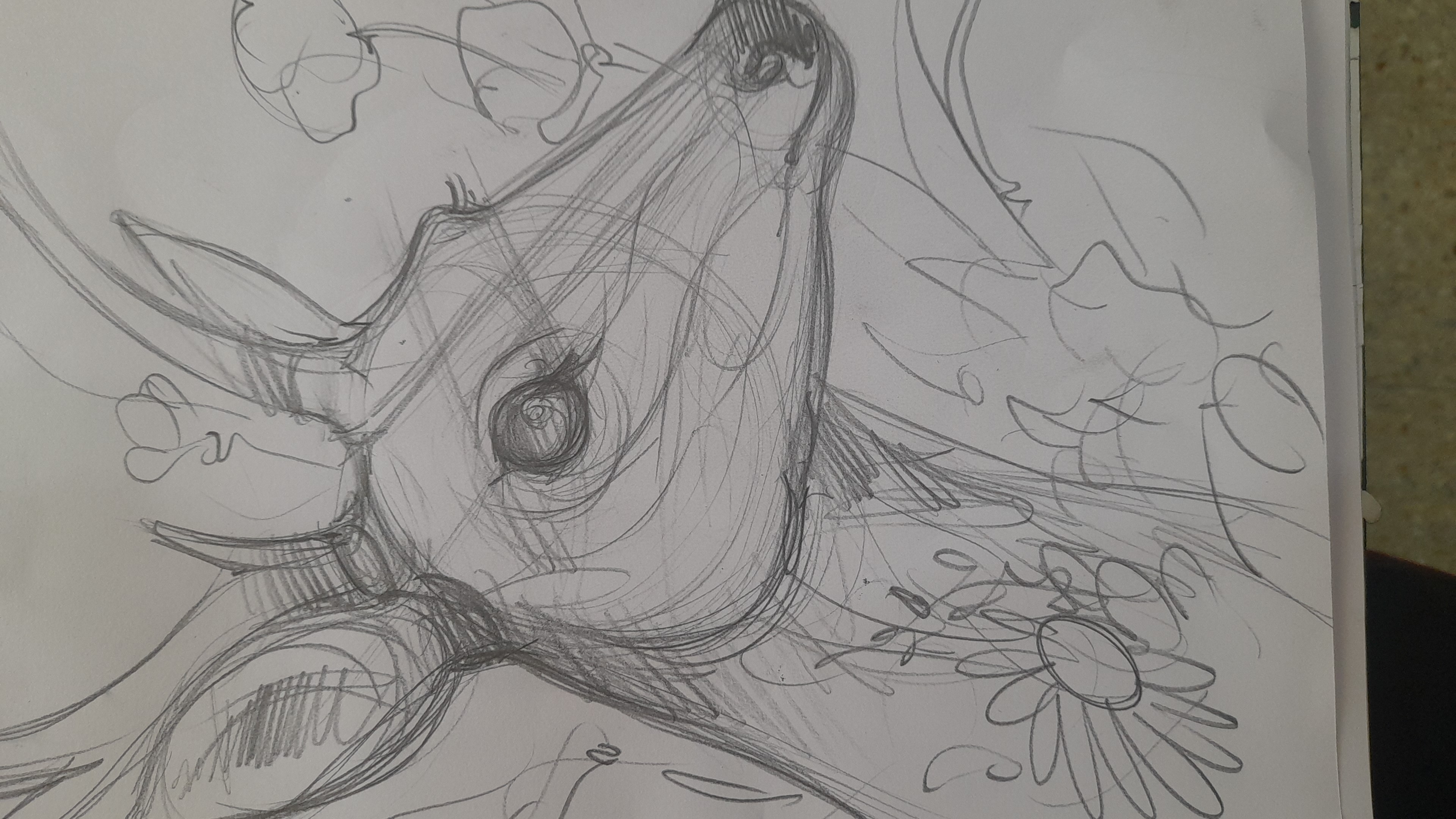
Gesture drawing helps you capture the movement and flow of a subject quickly.
Try drawing a subject in 30–60 seconds Focus on:
* overall posture
* movement
* basic structure
Gesture drawing is widely used in animation, character design, and concept art training.
Doing 5–10 quick sketches daily can significantly improve your drawing speed and confidence.
---
Habit 3: Draw From Real Life
Many beginners only copy images from the internet. While references are useful, drawing from real life improves your observation skills faster.
Practice drawing:
* household objects
* plants
* faces of people around you
* hands and feet
This helps you understand proportion, light, and form naturally.
---
Habit 4: Study Light and Shadow
Shading is what transforms a simple sketch into a realistic drawing.
Practice shading by observing:
* where light hits the object
* where shadows fall
* reflected light
Start with basic shading exercises like:
* shading spheres
* shading cubes
* shading simple objects
These exercises are fundamental in portrait drawing and realistic art.
---
Habit 5: Keep a Daily Sketchbook
One of the best ways to improve quickly is to maintain a daily sketchbook.
A sketchbook helps you:
* track your progress
* experiment with ideas
* build confidence
Professional artists often fill multiple sketchbooks every year.
Don’t worry about perfection—your sketchbook is meant for learning.
---
Habit 6: Learn Anatomy Basics
If you want to draw people or characters, understanding basic human anatomy is essential.
Start by learning:
* head proportions
* body structure
* basic muscle groups
Practicing anatomy helps artists create more believable and expressive characters.
---
Habit 7: Study Professional Artists
Observing experienced artists can accelerate your learning.
Study how professionals draw:
* portraits
* characters
* environments
Analyze their techniques and try to recreate similar studies.
This method is widely used in concept art and animation training.
---
Habit 8: Set Small Daily Goals
Instead of trying to draw perfect artwork immediately, set simple daily goals such as:
* draw one portrait study
* practice shading for 20 minutes
* sketch five gesture drawings
Small goals help maintain consistency and prevent burnout.
---
Common Mistakes Beginners Should Avoid
Many beginners slow down their progress because of these mistakes:
* expecting quick results
* avoiding difficult subjects
* drawing only from imagination
* skipping basic fundamentals
Improvement comes from consistent practice and structured learning.
---
Want to Improve Your Drawing Skills Faster?
Learning drawing on your own can take years without proper guidance. Many beginners progress much faster when they follow a **structured art training program**.
At **Ankona School of Art**, students learn:
* drawing fundamentals
* portrait sketching
* digital painting
* animation basics
* concept art techniques
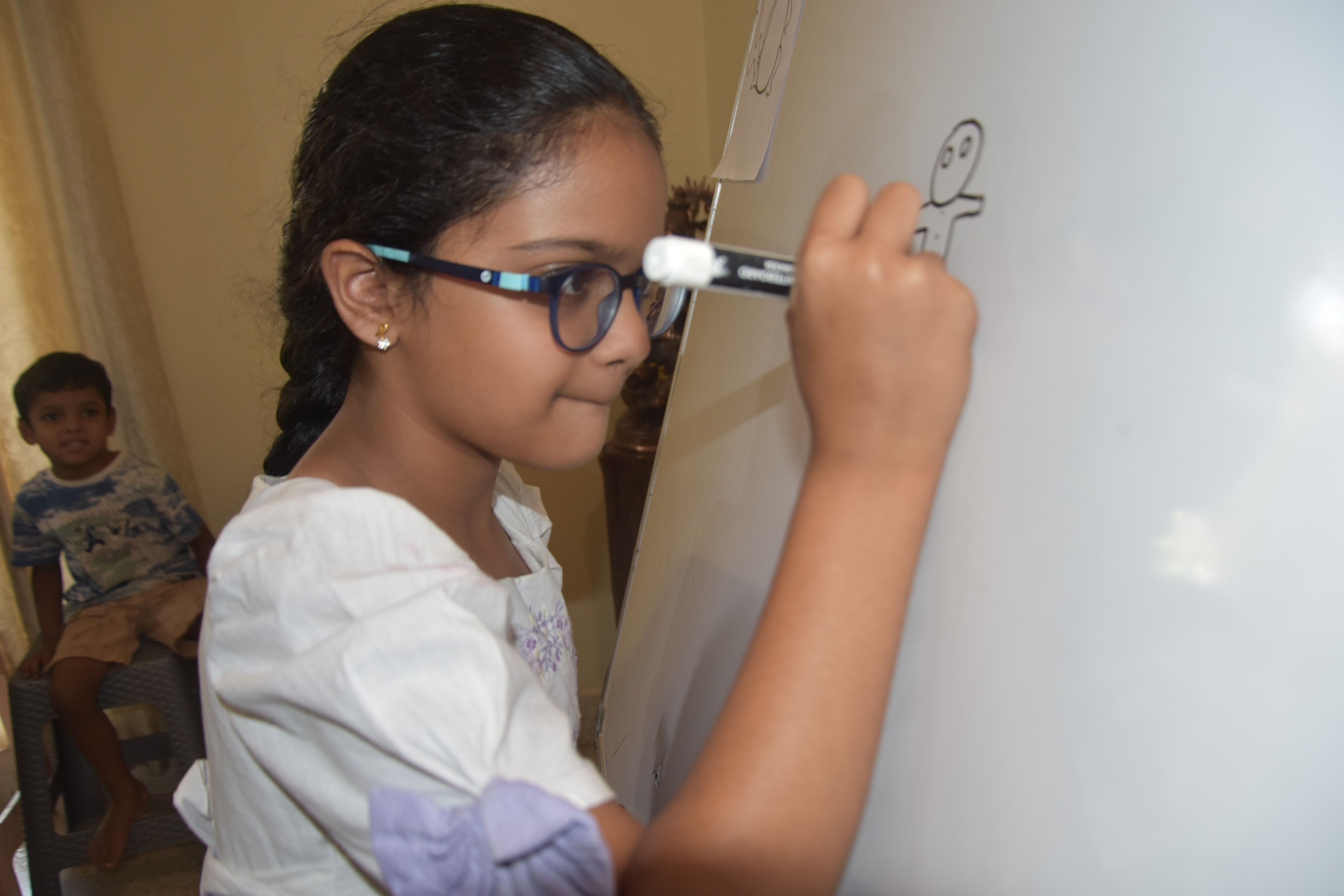
Courses are designed for beginners, kids, and aspiring artists who want to develop professional skills.
---