Many beginners believe that drawing is mainly about hand skill. While hand control is important, the real secret of great drawing lies in observation.
Artists do not simply draw what they think an object looks like — they draw what they actually see. Learning to observe carefully helps artists capture accurate shapes, proportions, and details.
At Ankona School of Art, observation training is one of the most important parts of developing strong drawing fundamentals.
What Is Observation in Drawing?
Observation in art means studying an object carefully before and during the drawing process. Instead of rushing to sketch, artists analyze the structure, shapes, and light of the subject.
Good observation includes noticing:
Basic shapes of the object
Size and proportion relationships
Light and shadow areas
Edges, curves, and angles
These details help artists create drawings that look realistic and balanced.
Why Observation Improves Drawing Accuracy
Many beginners draw from memory rather than observation. This often leads to incorrect shapes or proportions.
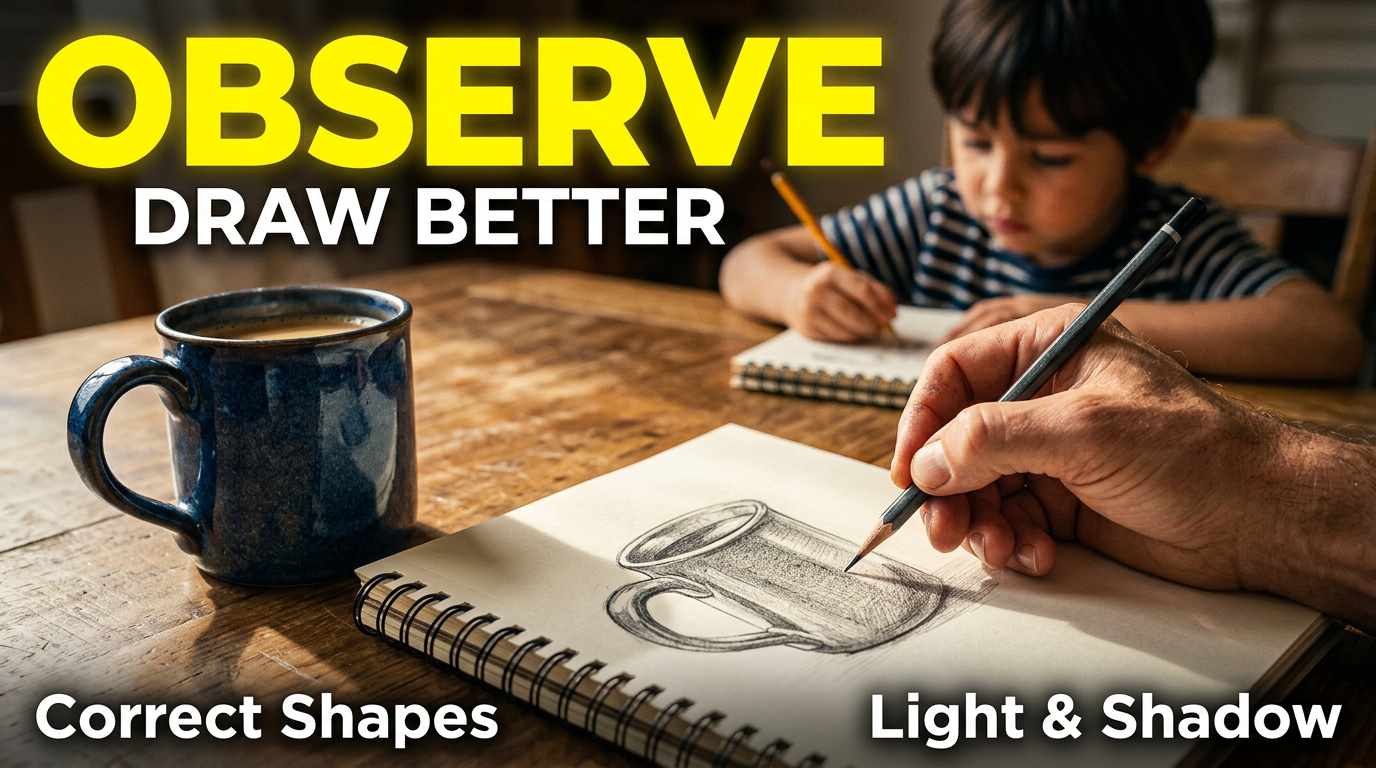
For example, when drawing a cup, a beginner might assume its shape instead of studying the actual object. By observing carefully, artists notice subtle curves, thickness of edges, and how light reflects on surfaces.
Observation turns drawing into a process of seeing first, then drawing.
Training the Eye to See Like an Artist
Observation is a skill that improves with practice. Students can train their eyes by:
Studying objects for 30–60 seconds before drawing
Comparing sizes and distances between parts
Breaking complex objects into simple shapes
Noticing light direction and shadows
These habits gradually sharpen visual awareness.
Simple Observation Exercises
Beginners can practice observation using everyday objects such as:
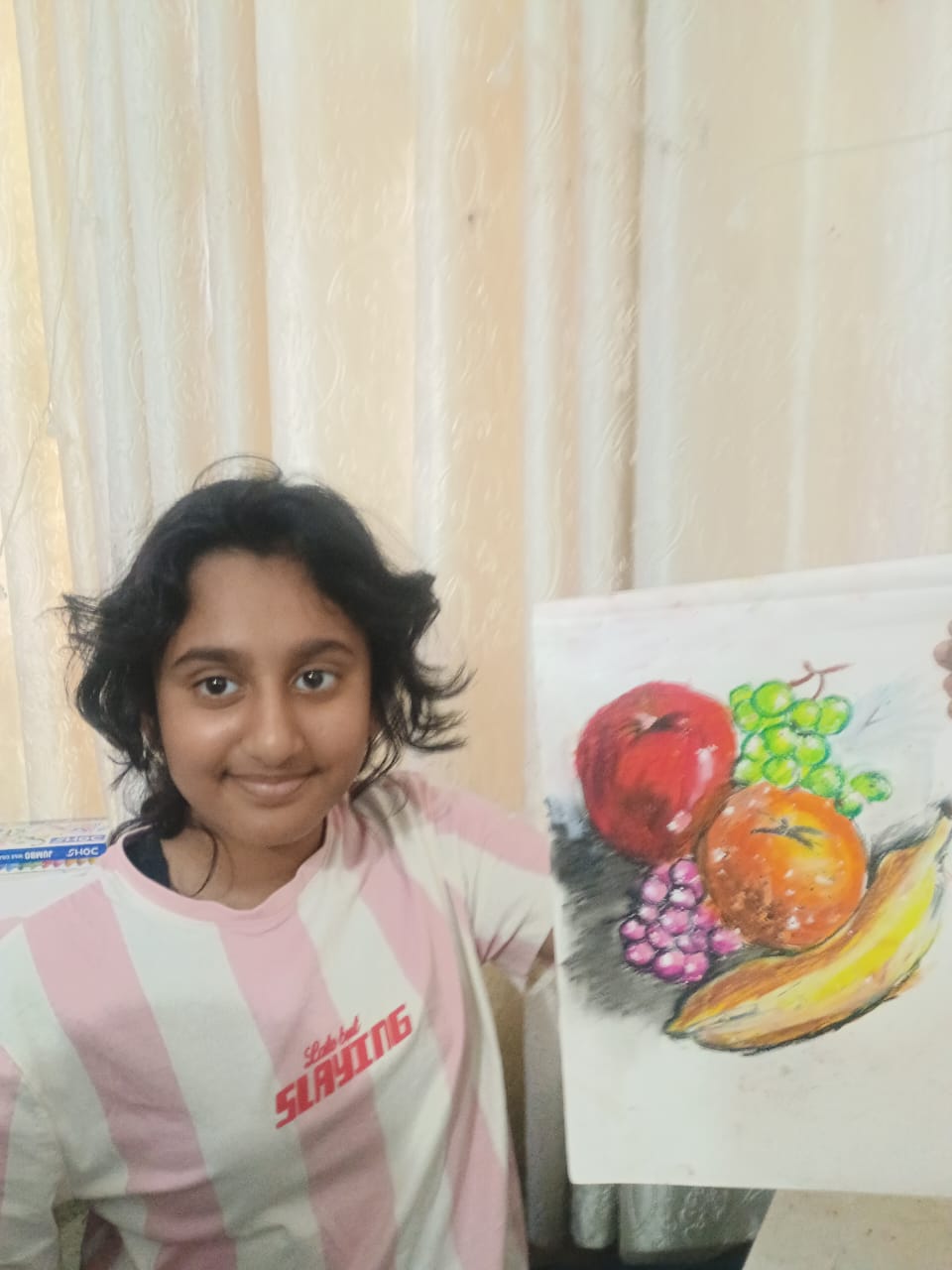
Fruits
Cups
Books
Plants
Simple still-life setups
Try observing the object quietly for a moment before starting the drawing. This improves accuracy and confidence.
Learning Observation Through Guided Practice
Observation skills develop faster with structured training. Teachers help students notice details they might otherwise miss.
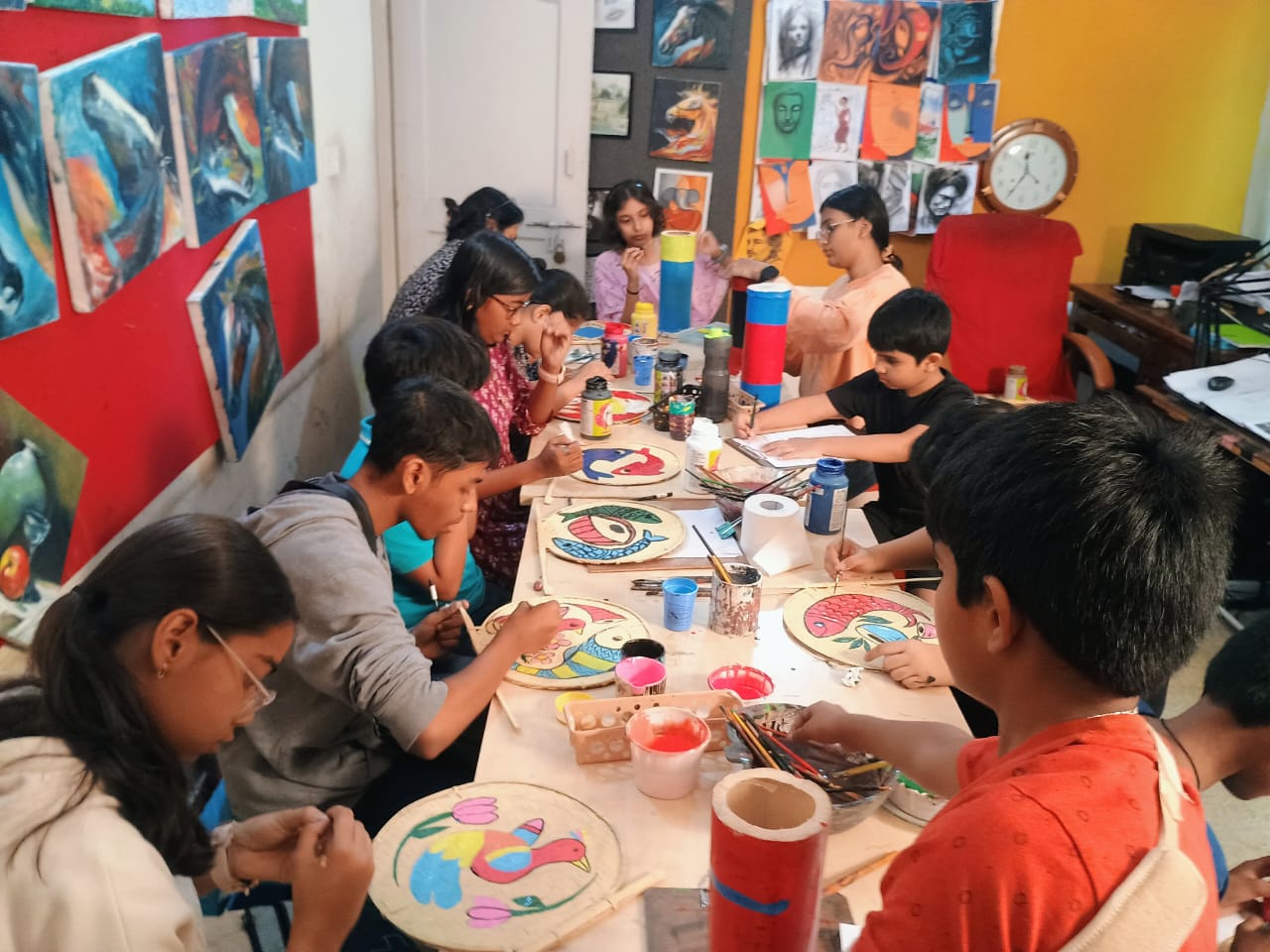
At Ankona School of Art, students practice observational drawing regularly, helping them improve accuracy, creativity, and confidence step by step.
Final Thought
Great artists are not just skilled with their hands — they are skilled at seeing. Observation allows artists to capture the true structure and beauty of their subjects.
By learning to observe carefully, beginners can transform simple sketches into more accurate and expressive drawings.
Remember: draw what you see, not what you assume.